


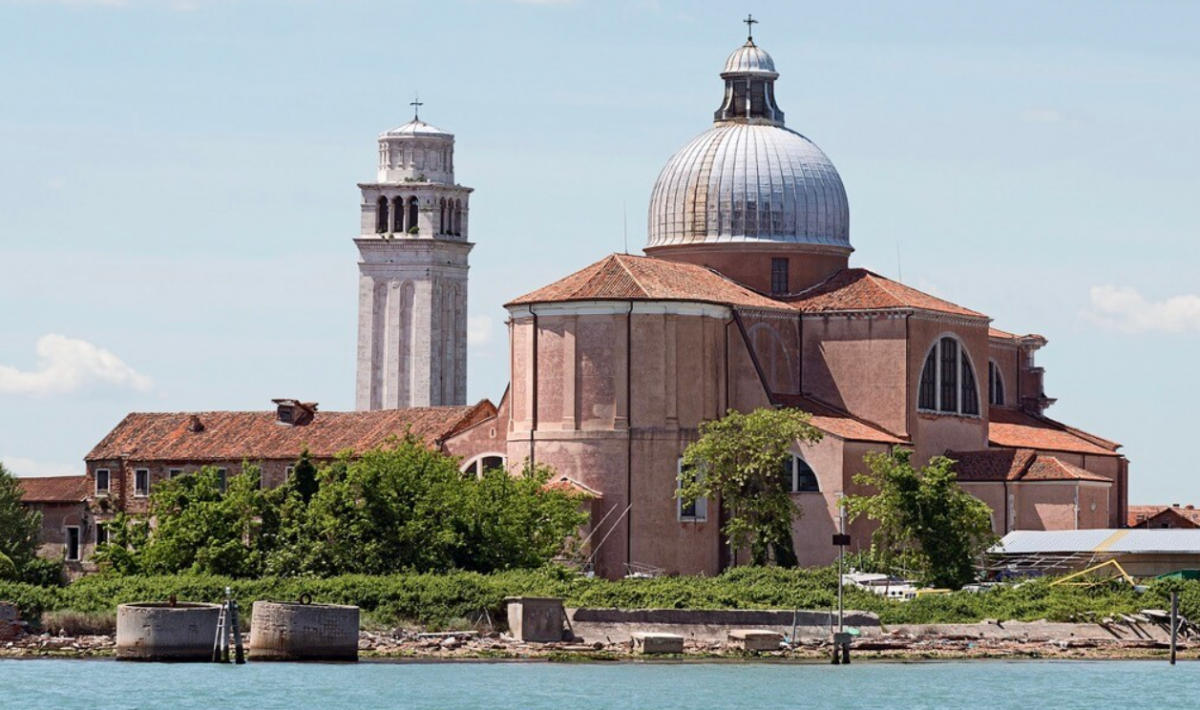
Why San Pietro di Castello Is Venice’s Best-Kept Secret
If you’re searching for authentic Venice beyond the crowds, there is one place that still feels untouched by mass tourism: San Pietro di Castello.
Located at the eastern edge of the city, this quiet island-district is where Venice’s religious heart once beat. Long before the Rialto markets boomed and before St. Mark’s Square became world-famous, this was the spiritual center of the Venetian Republic.
Today, it remains peaceful, residential, and wonderfully local — a rare experience in Venice.
The History of San Pietro di Castello
San Pietro di Castello was originally known as Olivolo. In 775 AD, it became the seat of the Bishop of Venice. For nearly 1,000 years — until 1807 — the cathedral of Venice was not St. Mark’s Basilica, but the Basilica di San Pietro di Castello.
Yes — before Napoleon changed the city’s ecclesiastical structure, this was officially Venice’s cathedral.
The current church was rebuilt in the late 16th century under the direction of Andrea Palladio, one of the most influential architects of the Renaissance. Its elegant white façade reflects Palladio’s classical ideals — symmetry, harmony, and proportion.
Inside, you’ll find:
-
A magnificent high altar
-
Paintings by Venetian masters
-
A fascinating Byzantine stone throne traditionally attributed to Saint Peter (though historians debate its origin)
In 1451, Venice officially became a patriarchate, strengthening its religious authority — and San Pietro di Castello stood at the center of that transformation.
Only in 1807, under Napoleonic rule, was the cathedral seat moved to St. Mark’s Basilica, marking the beginning of San Pietro’s quiet decline from prominence.
Why San Pietro di Castello Is Still So Local and Quiet
Unlike San Marco or Rialto, San Pietro di Castello was never built for commerce or spectacle. It developed as a religious and residential district.
Several factors explain why it remains peaceful:
1. It’s Off the Main Tourist Routes
Most visitors never walk this far east. The area is beyond the Arsenale and outside the classic Venice itinerary.
2. It’s Mostly Residential
The district of Castello is one of the most authentic neighbourhoods in Venice. Here you’ll find:
-
Children playing in the campo
-
Locals chatting on benches
-
Laundry hanging between buildings
-
Small neighbourhood cafés instead of souvenir shops
This is daily Venetian life — not a postcard version of it.
3. It Has No “Instagram Icons”
There’s no grand square like San Marco, no famous bridge like Rialto. What you find instead is atmosphere — silence, space, and the sound of the lagoon and the beautiful green Campo San Pietro.
Why San Pietro di Castello Is Worth Visiting
If you’re planning a trip to Venice and want to discover hidden gems, San Pietro di Castello offers something unique.
1. A Glimpse into Venice Before Tourism
Walking here feels like stepping into a slower century. The large campo in front of the basilica is one of the widest open spaces in Venice — perfect for sitting and absorbing the quiet.
2. A Different Perspective of the Lagoon
Because of its position near the eastern lagoon, you get open views of the water and the feeling of being on the edge of the city — where Venice meets the sea.
3. Architectural and Historical Significance
Seeing Palladio’s work outside the typical tourist circuit is a privilege. The basilica is rarely crowded, allowing you to appreciate its details in silence.
4. A Perfect Stop for Slow Travelers
If you enjoy exploring Venice beyond the clichés, San Pietro di Castello is ideal for:
-
Photographers
-
History lovers
-
Couples seeking peaceful walks
-
Travelers who prefer authenticity over attractions
How to Visit San Pietro di Castello
-
By foot: About 25–30 minutes from St. Mark’s Square.
-
By vaporetto: Stop at “San Pietro di Castello” or nearby Arsenale.
- By boat with Vidal Venice Tours
-
Best time to visit: Morning or late afternoon for soft lagoon light.
Combine it with a walk through the Castello district or continue toward the Biennale gardens for a full off-the-beaten-track itinerary.
Discover the Venice Few People See
If you truly want to understand Venice — its origins, its religious power, and its authentic daily rhythm — this is where you should come.
And if you’d like to experience this side of Venice from the water, my intimate boat tours (max 10 guests) explore the eastern and lesser-known areas of the city, offering a unique perspective on places like San Pietro di Castello. Because the real Venice isn’t where the crowds are — it’s where the silence still speaks.
Related articles: