


Bird-Watching in the Venetian Lagoon: A Complete Guide for Nature Lovers
The Venetian Lagoon is often associated with art, canals, and architecture — but beyond the palaces of Venice lies one of the most extraordinary bird-watching destinations in Europe.
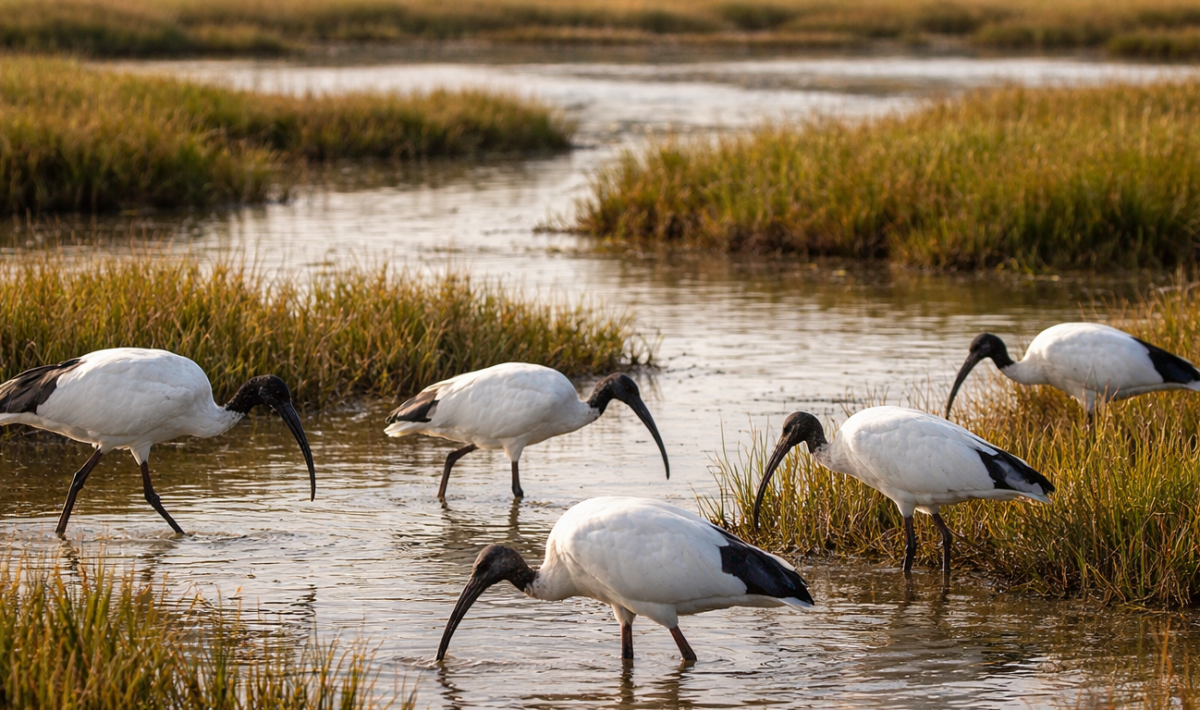
Stretching over 550 square kilometres, the lagoon is a mosaic of salt marshes (barene), mudflats, reed beds, shallow waters, and remote islands. This unique ecosystem makes it a sanctuary for resident and migratory birds throughout the year.
If you love wildlife, photography, or slow travel experiences, bird-watching in the Venetian Lagoon is something you absolutely shouldn’t miss.
Why the Venetian Lagoon Is a Bird-Watching Paradise
The lagoon sits along major migratory routes between Northern Europe and Africa. Twice a year — in spring and autumn — thousands of birds stop here to rest and feed.
What makes this habitat so special?
- Extensive salt marshes (barene) rich in insects and crustaceans
- Tidal mudflats exposed at low tide — perfect feeding grounds
- Brackish waters ideal for fish-eating birds
- Protected natural areas far from urban disturbance
Because of this diversity, the lagoon hosts over 300 bird species across the seasons.
The Most Fascinating Birds You Can Spot
The beauty of bird-watching in the Venetian Lagoon lies in its diversity. From elegant wading birds to colourful flashes of blue skimming the water’s surface, every season offers unforgettable encounters.
Here are some of the most fascinating species you can observe.
Greater Flamingo (Fenicottero Rosa)
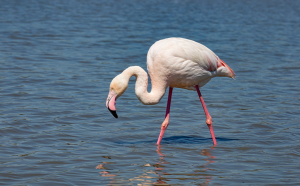
The Greater Flamingo has become one of the most iconic birds of the Venetian Lagoon. Once a rare sight, it is now a stable presence, especially in the southern and northern lagoon.
These elegant pink birds feed in shallow waters, filtering small crustaceans and algae that give their feathers their characteristic color. Seeing a flock take off at sunrise — long legs trailing behind — is one of the most spectacular wildlife moments you can experience in Venice.
Grey Heron & Little Egret
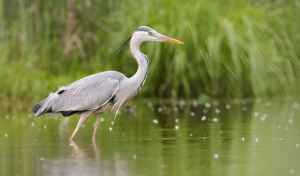
The lagoon’s marsh edges are the kingdom of the Grey Heron and the Little Egret.
The Grey Heron is large, calm, and statuesque. It can stand perfectly still for minutes before striking its prey with lightning speed.
The Little Egret, smaller and bright white, moves more actively, stirring the water with its feet to flush out fish.
Both species are present year-round and are among the easiest — and most rewarding — birds to observe.
Ibis
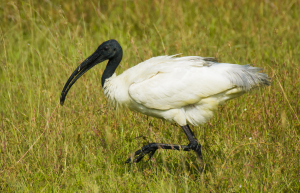
In recent years, different species of ibis have become increasingly visible in the lagoon, particularly the Sacred Ibis and the Glossy Ibis.
With their curved bills and distinctive silhouettes, ibises are often seen probing the mudflats for insects and small aquatic creatures. Their presence highlights how dynamic and evolving the lagoon ecosystem is.
Swans
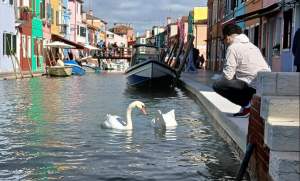
Graceful and majestic, swans add a sense of calm to the lagoon’s quieter waters. The Mute Swan is the most commonly observed species.
They are often spotted near sheltered areas and agricultural islands in the northern lagoon. Watching a pair glide silently across still water feels almost surreal.
Black-Winged Stilt
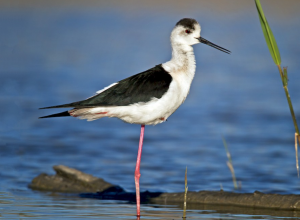
The Black-winged Stilt — known in Italian as Cavaliere d’Italia — is one of the lagoon’s most elegant waders.
With its extremely long red legs and striking black-and-white plumage, it moves delicately through shallow waters searching for insects and small invertebrates. It’s especially common during spring and summer in protected marsh areas.
Common Kingfisher
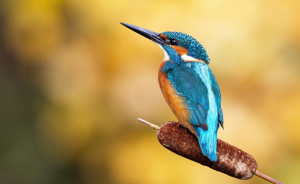
Small, fast, and brilliantly coloured, the Common Kingfisher is a true gem of the Venetian Lagoon.
Its electric blue and orange plumage flashes like a spark along canals and marsh edges. Spotting one requires patience — they move quickly and prefer quiet areas — but the reward is unforgettable.
For many bird-watchers, seeing a kingfisher dive into the water and emerge with a tiny fish is the highlight of their lagoon experience.
Best Areas for Bird-Watching in the Venetian Lagoon
Southern Lagoon
Less urbanized and more natural, this area near Chioggia is ideal for flamingos, spoonbills, and large flocks of water birds.
Northern Lagoon
Around Lio Piccolo and Sant’Erasmo, you’ll find shallow wetlands and agricultural islands where migratory birds gather in impressive numbers.
Fishing Valleys (Valli da Pesca)
These semi-enclosed areas, historically used for fish farming, have become controlled ecosystems where birds thrive undisturbed.
When Is the Best Time for Bird-Watching?
- Spring (March–May): Peak migration and nesting season
- Autumn (September–November): Massive migratory movements
- Winter: Large flocks of ducks and birds of prey
- Early morning or sunset: Best light and most activity
Tides also matter: low tide exposes mudflats and attracts feeding birds.
Why Exploring by Boat Makes All the Difference
Many of the most important bird habitats are inaccessible by foot. A small boat allows you to:
- Reach remote salt marshes
- Observe wildlife without disturbing it
- Avoid tourist crowds
- Experience total silence in open water
Unlike crowded ferries or large tour boats, a smaller vessel moves slowly and respectfully through delicate ecosystems.
Experience Bird-Watching with Vidal Venice Tours
If you want to explore the hidden, natural side of the lagoon, Vidal Venice Tours offers intimate boat experiences for small groups (maximum 10 guests per boat).
Our tours focus on:
- The untouched northern and southern lagoon
- Hidden marshlands far from mass tourism
- Slow navigation ideal for wildlife observation
- Authentic Venetian perspectives on the lagoon ecosystem
Whether you are a photographer, nature enthusiast, or simply curious to see a different Venice, a private boat tour allows you to discover the lagoon in its purest form.
A Different Venice Awaits
The Venetian Lagoon is not just a backdrop to Venice — it is a living, breathing ecosystem shaped by tides, wind, and centuries of coexistence between humans and nature.
Bird-watching here is more than a hobby. It is a way to understand the fragile balance that has allowed Venice to exist for over 1,500 years.
If you are planning a trip to Venice and want something truly authentic, step away from the crowded squares and into the silence of the marshes. The birds are waiting.
Related articles: