


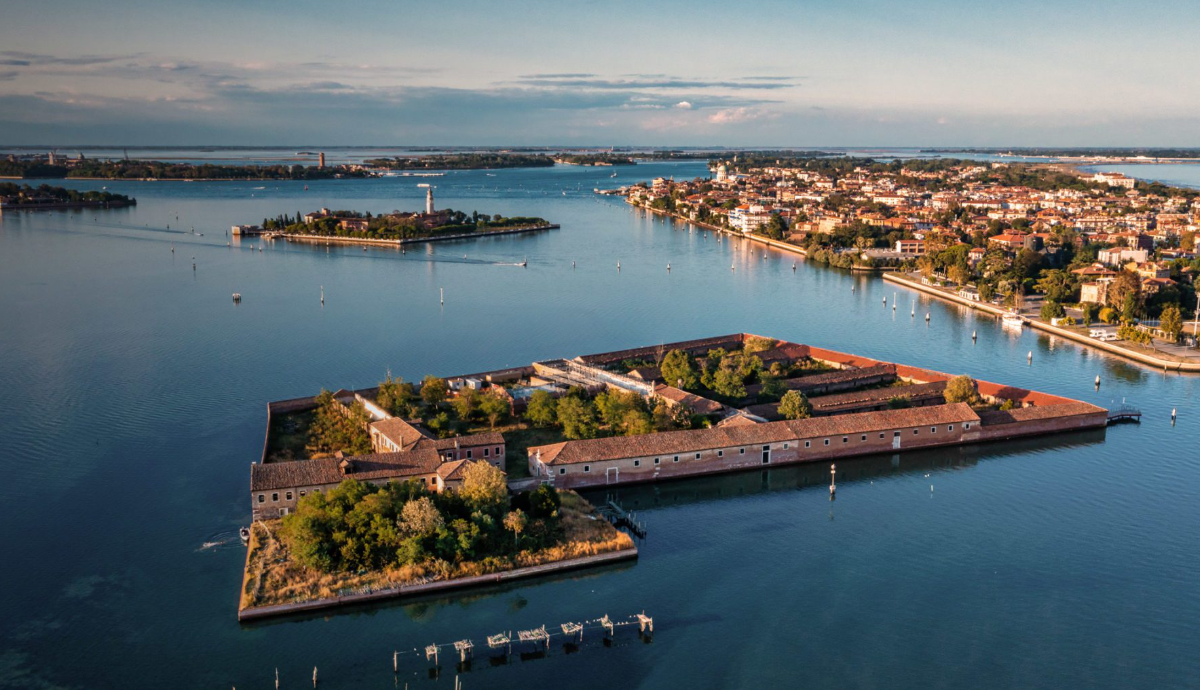
The Lazzaretti of Venice: Hidden Islands of History, Isolation, and Rediscovery
Few places in the Venetian Lagoon tell a story as powerful (and as haunting) as the Lazzaretti. These isolated islands, once at the frontline of Europe’s battle against disease, are today among the most fascinating and lesser-known destinations you can explore in Venice.
Far from the crowds of the city’s centre, the Lazzaretti offer a completely different perspective of Venice: one shaped by resilience, innovation, and the constant fight to protect Venice from invisible threats.
What Are the Lazzaretti of Venice?
The term “lazzaretto” comes from the Italian word for quarantine stations: places where people, goods, and ships were isolated to prevent the spread of disease, particularly during outbreaks of the plague.
Venice, as a global maritime power, was especially vulnerable. Merchants and sailors arriving from all over the world brought not only wealth, but also deadly epidemics. To protect the city, the Venetian Republic created one of the first organized public health systems in history.
The two main islands are:
- Lazzaretto Vecchio: established in 1423, considered the first quarantine hospital in the world
- Lazzaretto Nuovo: later used as a quarantine and storage site for goods
Lazzaretto Vecchio: The Island of the Sick
Originally home to a monastery called Santa Maria di Nazareth (from which the term “lazaretto” is believed to have evolved), Lazzaretto Vecchio was where infected individuals were taken during outbreaks.
Thousands of people passed through its buildings during the devastating waves of plague that hit Venice between the 15th and 17th centuries. Archaeological excavations have uncovered mass graves and haunting inscriptions left by patients, offering a rare and deeply human glimpse into life during those dark times.
After serving as a military post and even a municipal dog kennel in the 19th and 20th centuries, the island is currently undergoing restoration to become the National Archaeological Museum of the Venice Lagoon, with limited public access available through guided tours.
Lazzaretto Nuovo: The Island of Prevention
Established in 1468 by the Venetian Senate, Lazzaretto Nuovo served as a strategic gateway to the city, functioning as a mandatory quarantine station for incoming ships, crews, and cargo to prevent the spread of the plague. While its counterpart, Lazzaretto Vecchio, was a hospital for the already sick, this island acted as a “purgatory” where sailors and merchants spent 40 days (the origin of the word “quarantine”) while their goods were fumigated and disinfected. Today, the island is a thriving ecomuseum managed by the Lazzaretti Veneziani association, featuring the Tezon Grande (the largest public building in Venice after the Arsenale) where original 16th-century graffiti left by porters and guards can still be seen on the walls. Visitors can explore its layered history through guided tours that include archaeological digs and the Sentiero delle Barene, a nature trail through precious saltmarsh ecosystems that are unique to the northern lagoon
Walking through the island today, you’ll find:
- Original fortifications built to protect the lagoon
- Preserved Renaissance structures
- Ancient graffiti marking trade routes and cargo
Why Visit the Lazzaretti by Private Boat?
Reaching the Lazzaretti isn’t straightforward, and that’s part of their charm. Public transport options are limited, and access can be restricted. This is where a private experience makes all the difference.
With Vidal Venice Tours, you can turn a simple visit into a truly immersive journey.
1. Access Hidden Venice: Explore parts of the lagoon that most visitors never see, far beyond the usual tourist routes.
2. Travel Like a Local: Cruise through quiet waters aboard a traditional Venetian boat, experiencing the lagoon the way Venetians have for centuries.
3. Flexible and Intimate Experience: With small groups and personalized itineraries, you can combine the Lazzaretti with other hidden gems of the lagoon.
4. Unique Storytelling: Discover the fascinating history of Venice’s quarantine system in a setting where it actually happened, far more impactful than any museum.
A Different Side of Venice
The Lazzaretti are not about glamour or postcard views. They represent something deeper: Venice’s ability to adapt, innovate, and survive.
In a city often associated with romance and beauty, these islands reveal a more complex identity: one shaped by global trade, scientific advancement, and human resilience.
Related articles: