


Venice Narrow Streets Explained: Calli, Sotoporteghi & the Logic Behind the Labyrinth
If you’ve ever wandered through Venice and felt happily lost, you’re not alone. The city’s famously narrow streets—called calli—and its mysterious passageways under buildings—known as sotoporteghi—are not random at all. They are the result of centuries of smart urban planning, practical needs, and a deep relationship with water.
Understanding this unique layout not only makes Venice more fascinating, but also helps travellers experience the city like locals do—slowly, curiously, and away from the crowds.
What Are Calli? Venice’s Narrow Streets
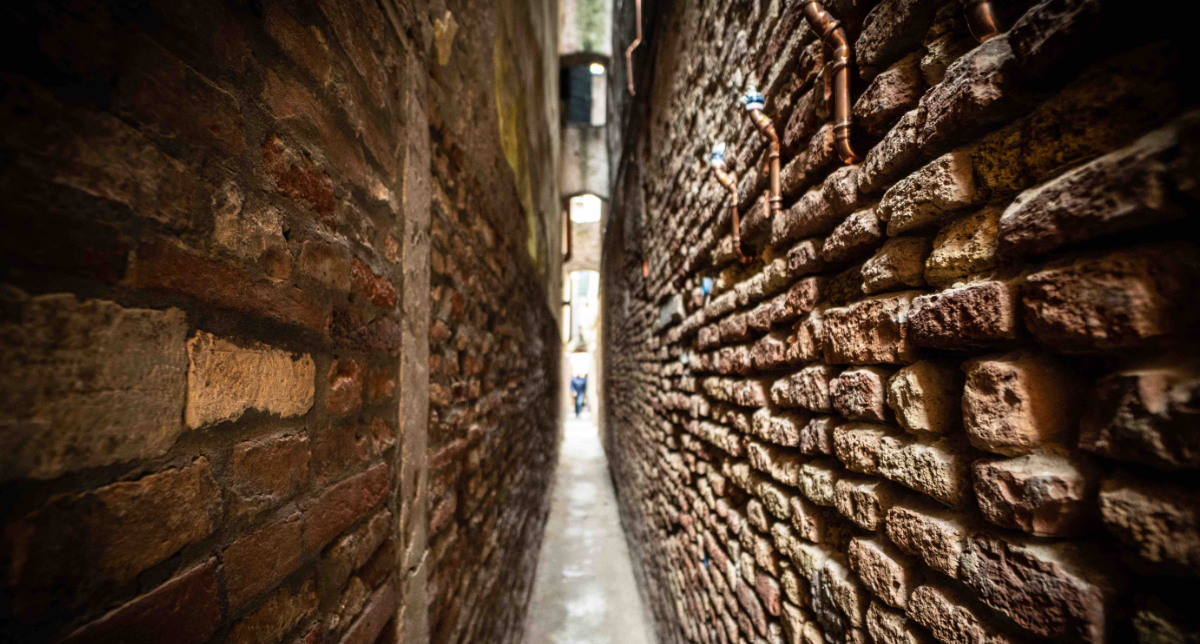
Unlike most cities, Venice doesn’t use the word “street.” Almost every pedestrian street here is called a calle (plural: calli). Many of them are so narrow that two people can barely walk side by side.
This wasn’t a design flaw—it was a deliberate choice.
Why Are Venetian Streets So Narrow?
1. Space Was Extremely Limited
Venice was built on more than 100 small islands in the lagoon. Every square meter of solid ground was precious, so buildings were constructed close together, leaving only slim passageways between them.
2. Streets Were Not Meant for Transport
Venice has always relied on canals for goods and transportation. Streets were designed only for walking—not carts, horses, or carriages—allowing them to be far narrower than in mainland cities.
3. Natural Climate Control
Narrow calli provide shade during hot summers and protect pedestrians from strong lagoon winds in winter. Even on the hottest days, Venice’s tight alleyways stay surprisingly cool.
4. Defensive Urban Design
In the Middle Ages, confusing layouts helped protect neighbourhoods. Invaders and outsiders could easily get lost, while locals knew every shortcut.
Sotoporteghi: Passageways Beneath Buildings
One of the most fascinating features of Venice is the sotoportego—a covered passage that runs underneath a building, often connecting two streets or opening suddenly onto a canal.
Why Sotoporteghi Exist
1. Structural Necessity
Buildings in Venice often rest on wooden piles driven into mud. Sotoporteghi help distribute weight and reinforce structures without blocking pedestrian flow.
2. Efficient Use of Space
Instead of wasting ground level on private entrances, Venetians created public passageways, allowing maximum building density without sacrificing movement.
3. Shelter from Weather
Sotoporteghi offer shade, rain protection, and refuge during sudden storms or acqua alta (high water).
4. Social and Commercial Life
Historically, these covered passages were perfect places for shops, storage, and informal meetings—making them lively social spaces.
Why Venice Feels Like a Maze (And Why That’s a Good Thing)
Venice’s layout follows no straight grid. Instead, it evolved organically over centuries, shaped by:
-
The shifting lagoon environment
-
Private property boundaries
-
Canals changing course
-
Continuous rebuilding and adaptation
The result is a city that rewards curiosity. Getting lost here often leads to quiet squares, hidden churches, local bacari (wine bars), and views most visitors never see.
How This Urban Design Enhances Your Visit
For travellers, Venice’s calli and sotoporteghi create an experience unlike anywhere else in the world:
-
No traffic noise – just footsteps and water
-
Slow travel by nature – you’re encouraged to explore, not rush
-
Authentic discoveries – away from crowded main routes
And when combined with the lagoon itself, Venice becomes even more magical when seen from the water.
Discover Venice Beyond the Streets
While exploring on foot is unforgettable, the original “roads” of Venice are its canals and lagoon. A boat tour allows you to understand how the city truly works—how water, architecture, and daily life connect.
At Vidal Venice Tours, we specialize in small-group and private boat experiences that take you far beyond the tourist routes. From hidden canals to quiet lagoon islands, our tours are designed to show you the Venice that most visitors never see—just like wandering into the perfect calle or sotoportego by chance.
Related articles: